The library
Design patterns explained through the problems they solve, and how leading digital companies built their systems.
 New7:01
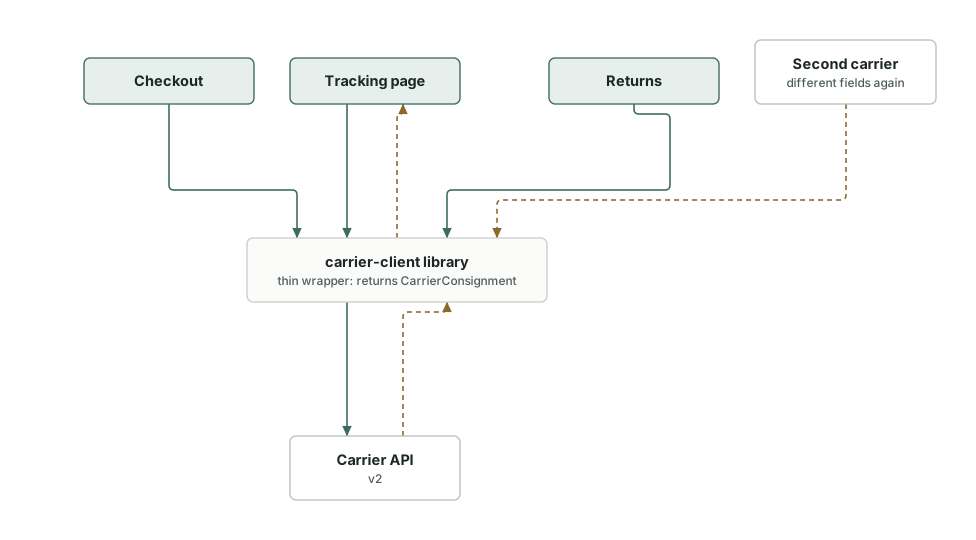
Translate a vendor's or legacy system's model into yours at one boundary, so their changes stop rippling through your code.
 New6:23
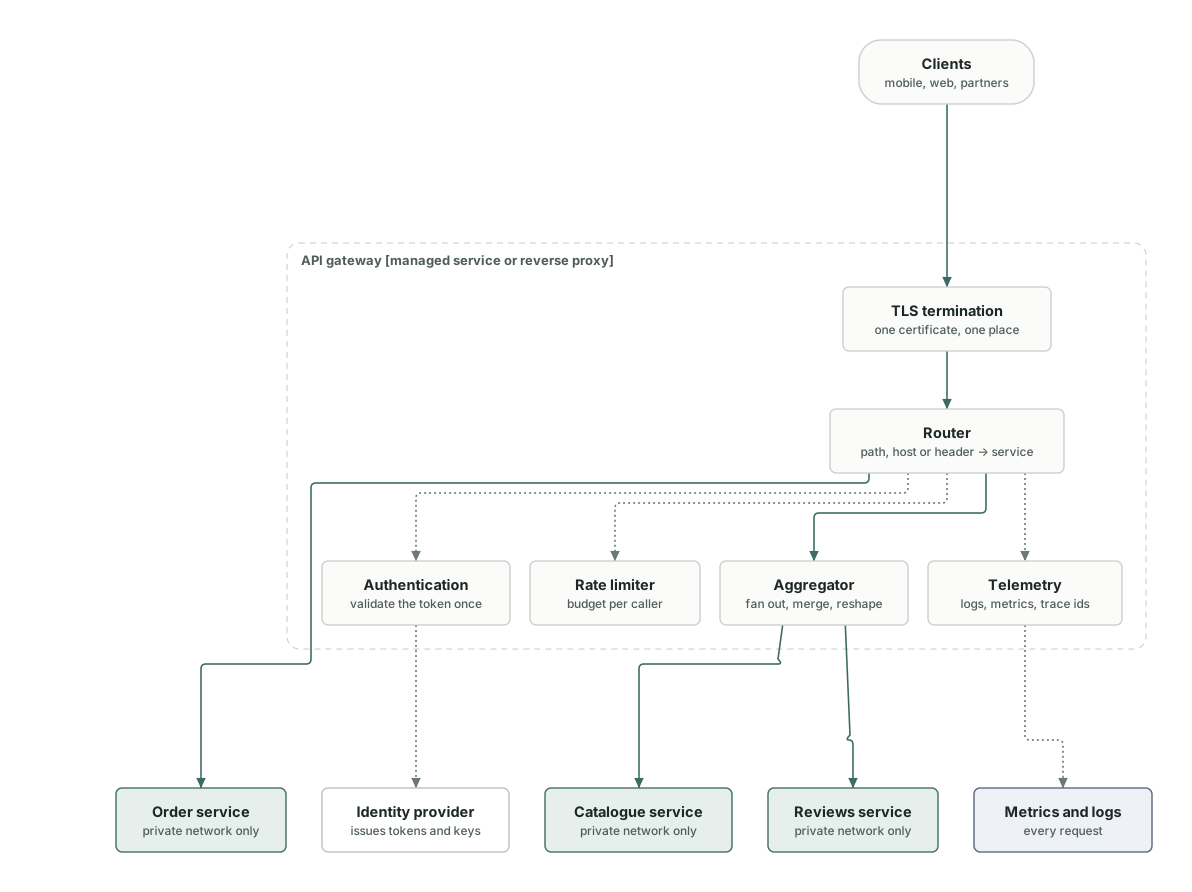
Give every client one front door that routes, combines and protects, so services stay private and simple.
 New6:54
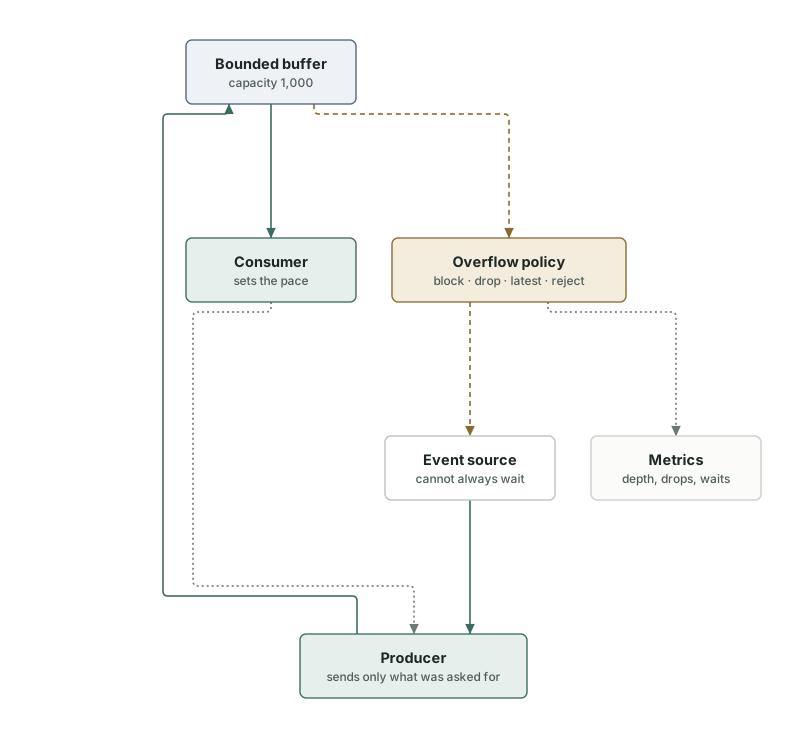
Let the slow side set the pace: bound every buffer, signal demand upstream, and decide what happens when it is full.
 New6:37
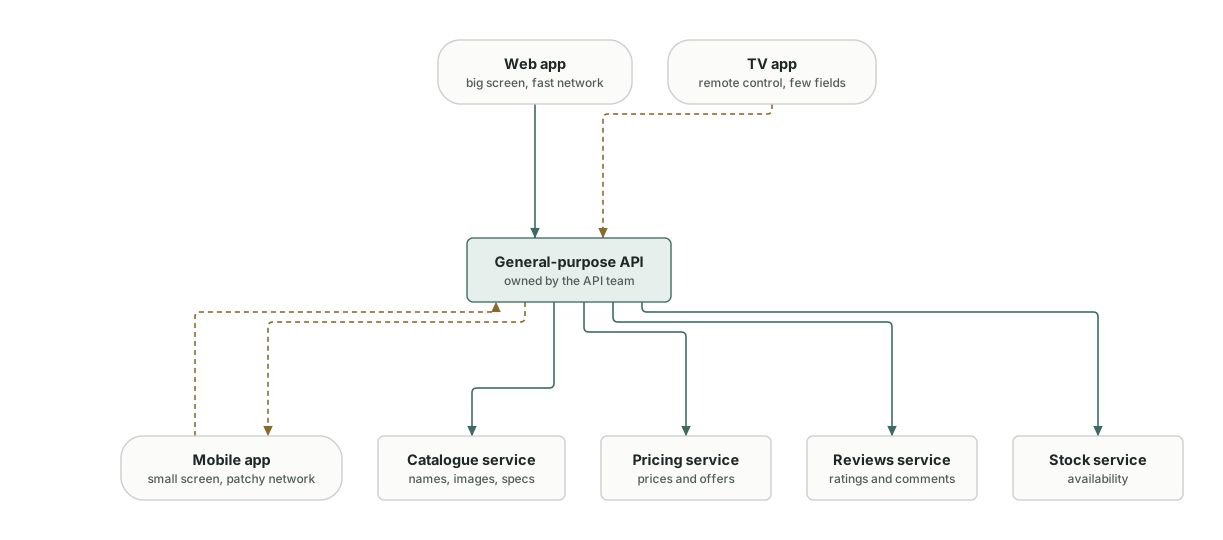
Give each user experience its own thin backend, owned by the team that builds the client.
 New6:40
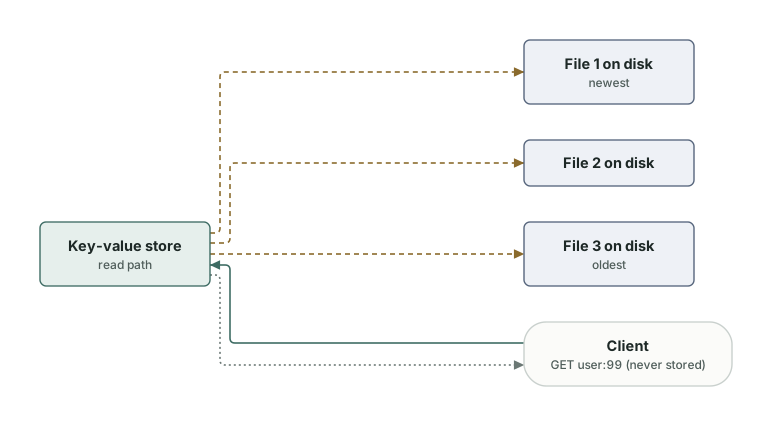
A few bits per item tell you an item is definitely not in a set, so you skip the expensive lookup.
 New6:19
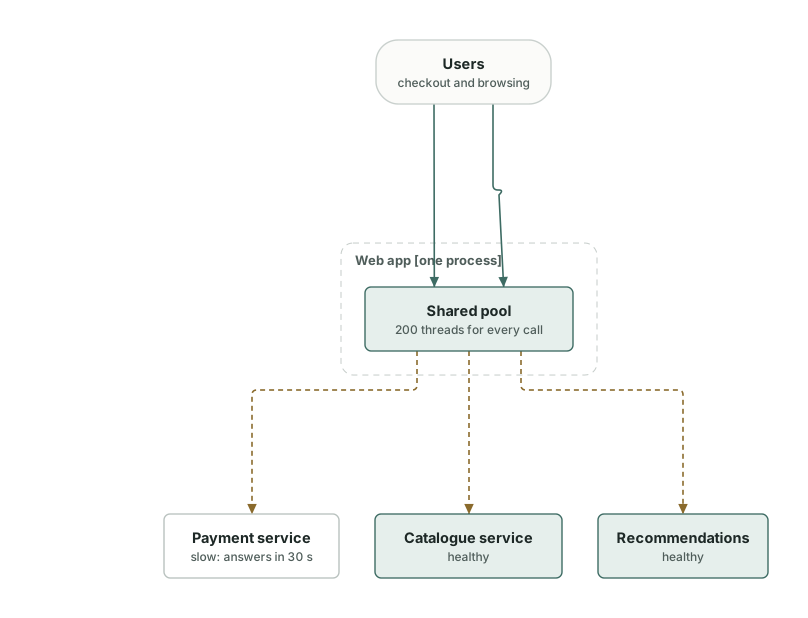
Partition threads, connections and capacity so one failing dependency or tenant cannot sink the rest.
 New7:21
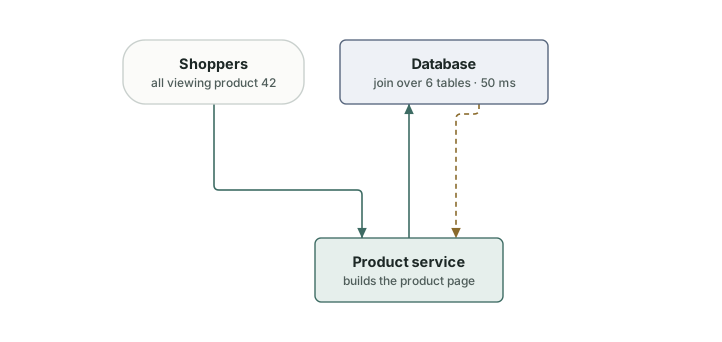
Read the cache, load from the database on a miss, and delete the key on every write.
 New6:57
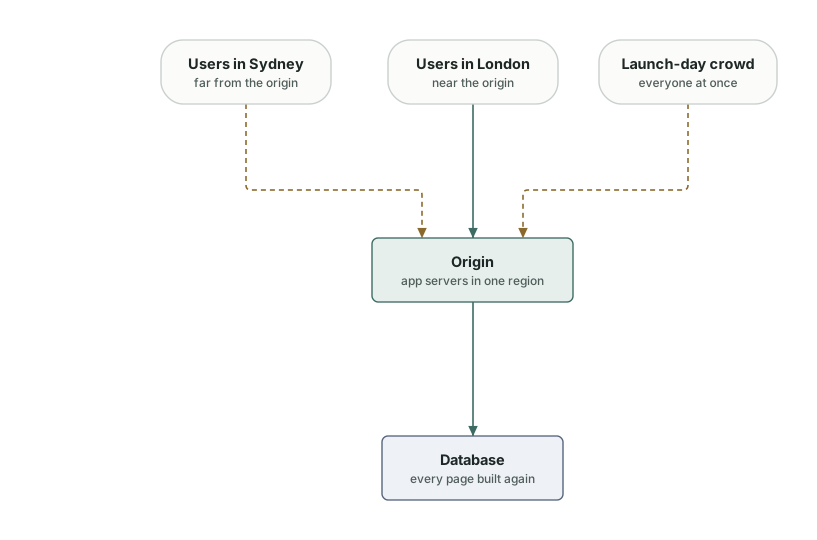
Serve shared content from servers near users, let HTTP headers decide what is stored, and keep serving when the origin fails.
 New7:47
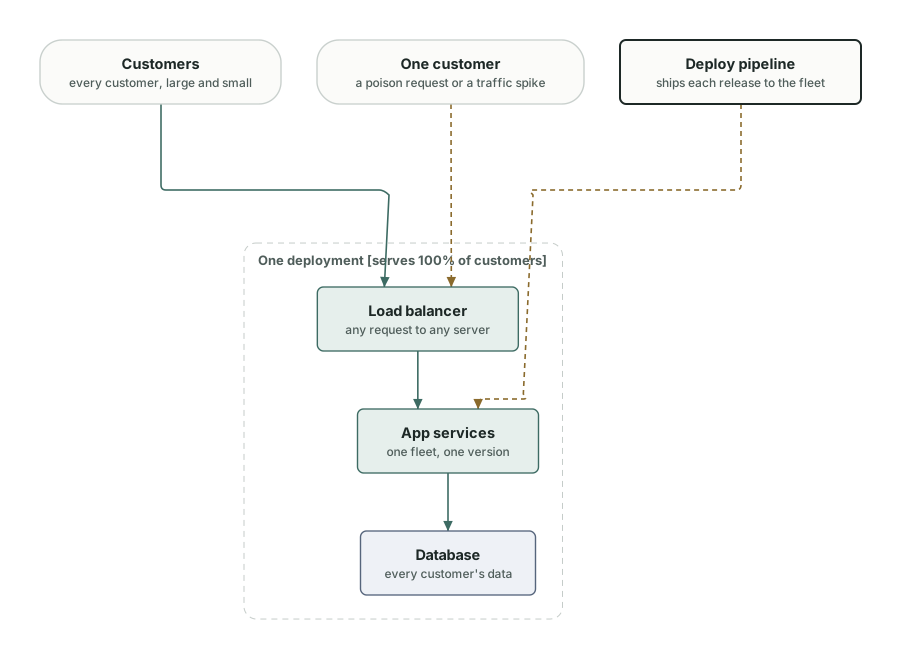
Split the whole stack into identical, independent cells behind a thin router, so one failure hurts one cell, not every customer.
 New7:26
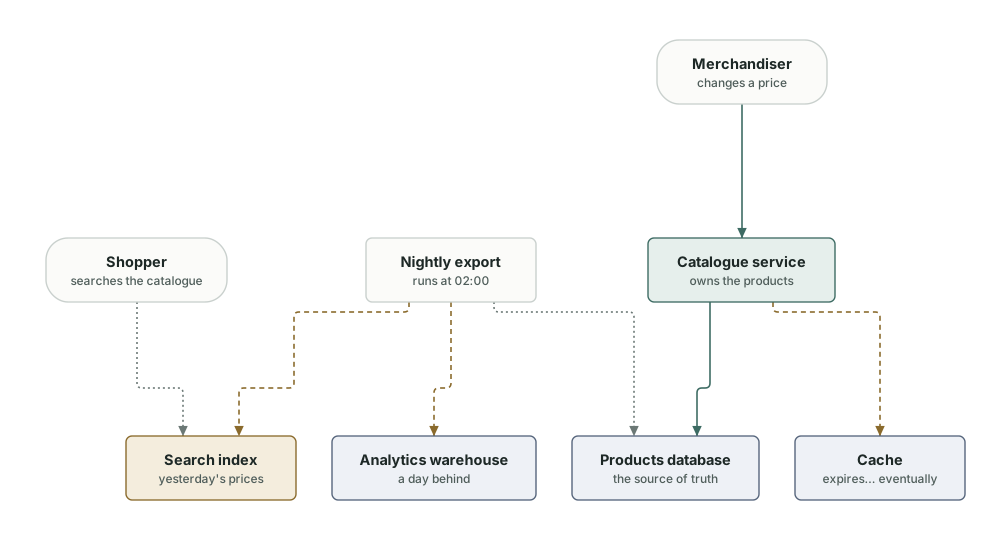
Read the database's own change log and stream every insert, update and delete as an ordered event to keep copies fresh.
 New5:11
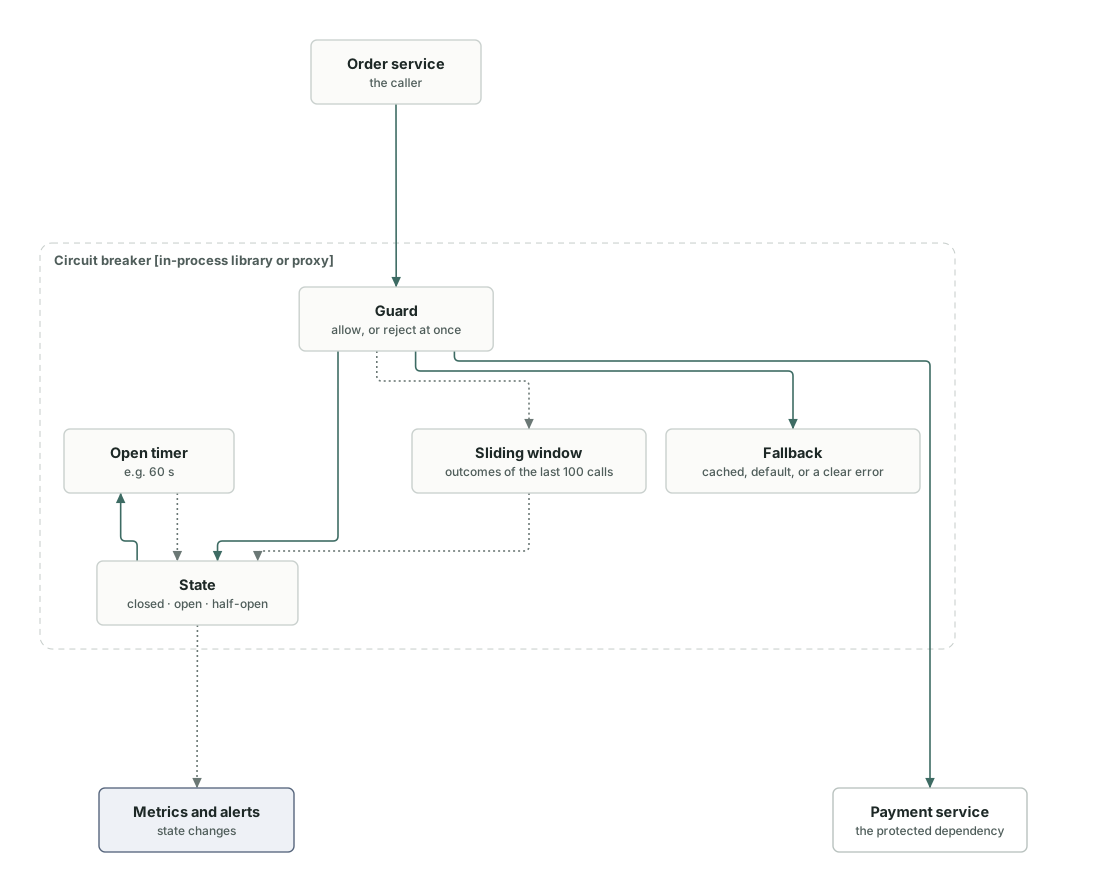
Stop calling what is failing; answer from a fallback; test before trusting again.
 New6:49
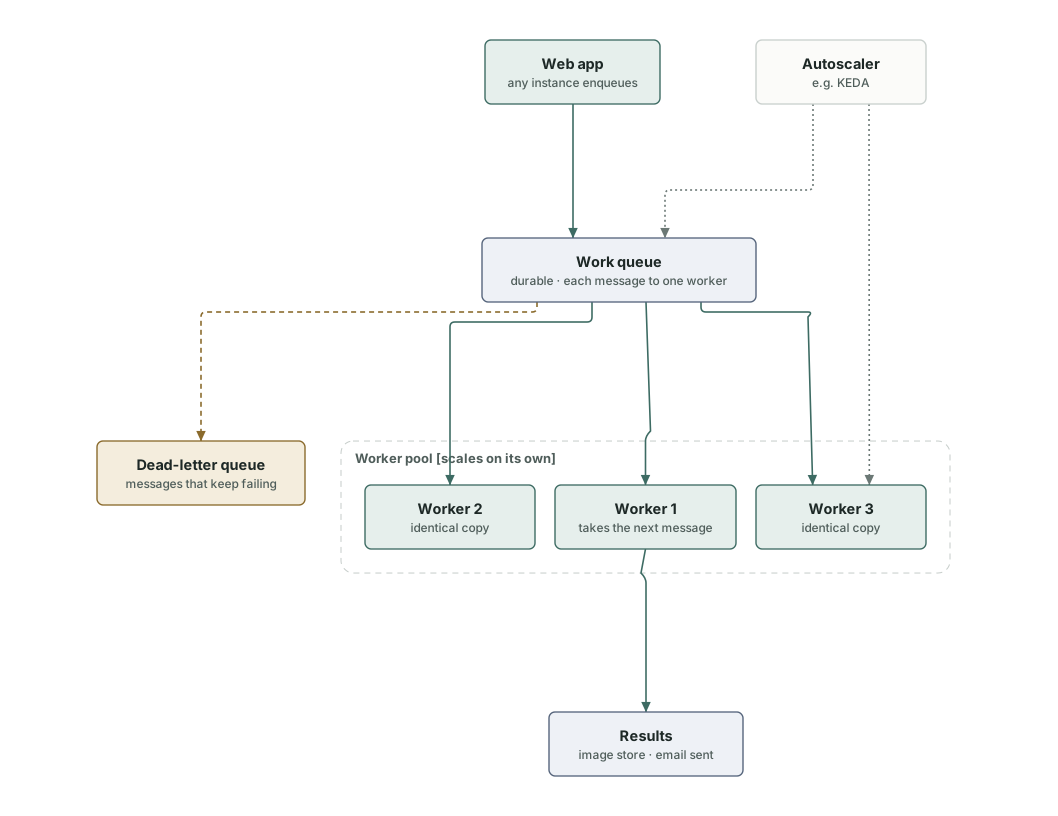
Put slow work on a queue and let a pool of workers each take the next message; scale on queue depth.
 New6:23
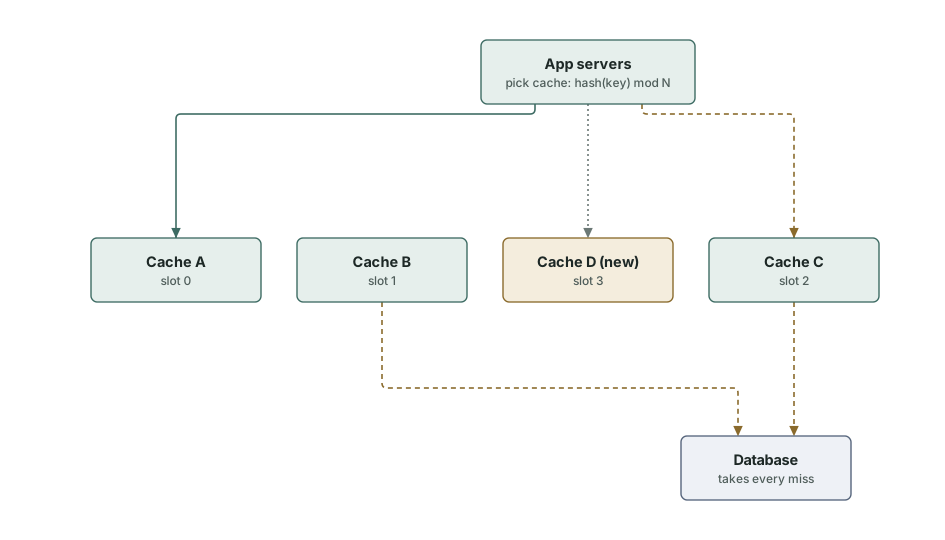
Put servers and keys on one ring so adding a server moves only a small share of keys.
 New7:11
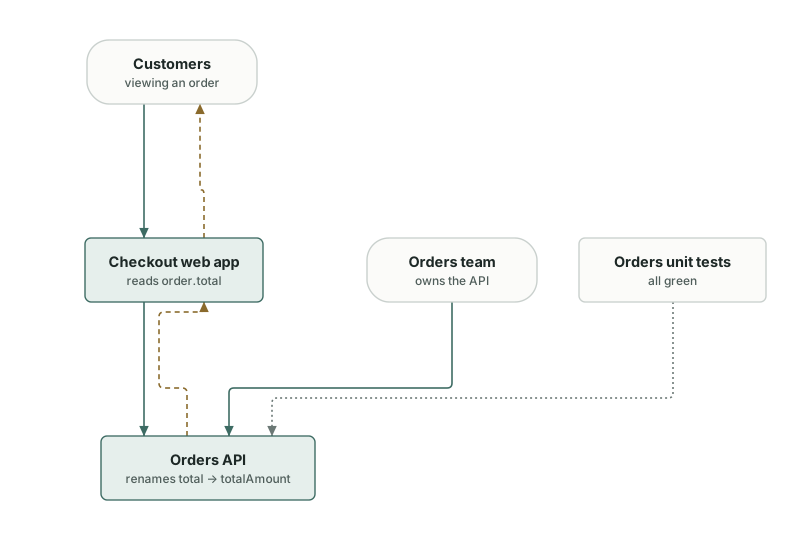
Each consumer records what it relies on; the provider proves it still delivers before either side deploys.
 New6:23
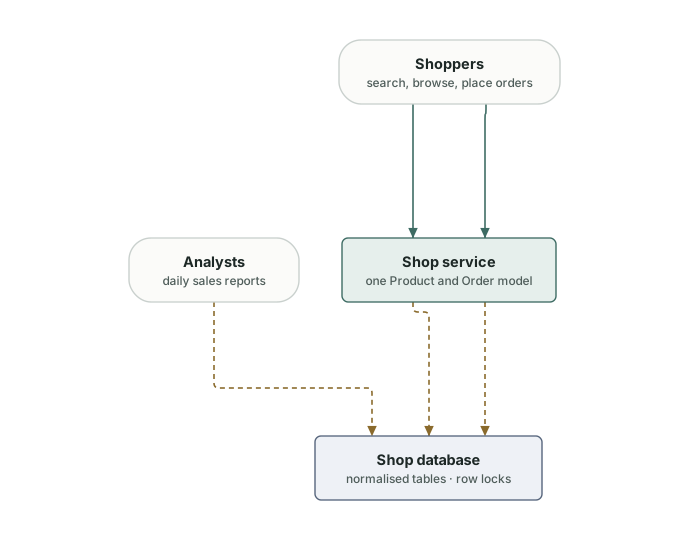
Separate the model that changes data from the models that answer questions, and design for the lag between them.
 New6:25
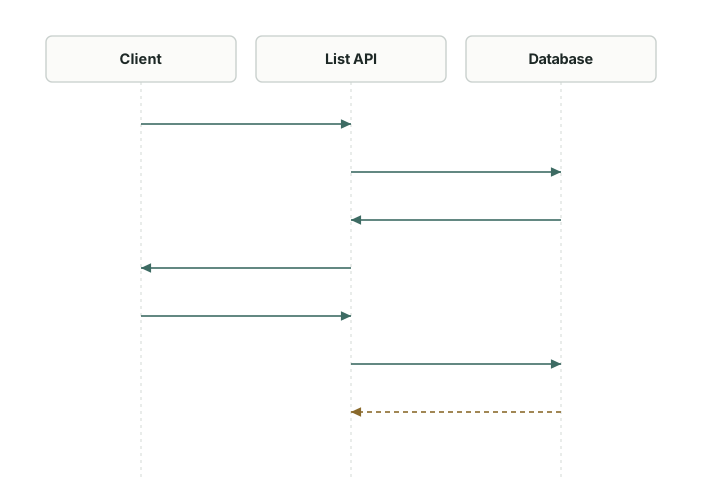
Page through big lists by remembering where you stopped, not how many rows to skip.
 New7:04
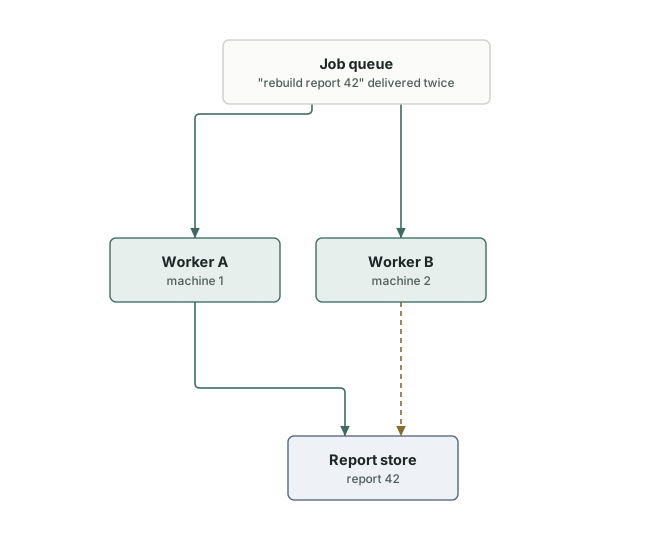
One worker at a time across machines: an owned, expiring lock, and fencing tokens when correctness is at stake.
 New6:49
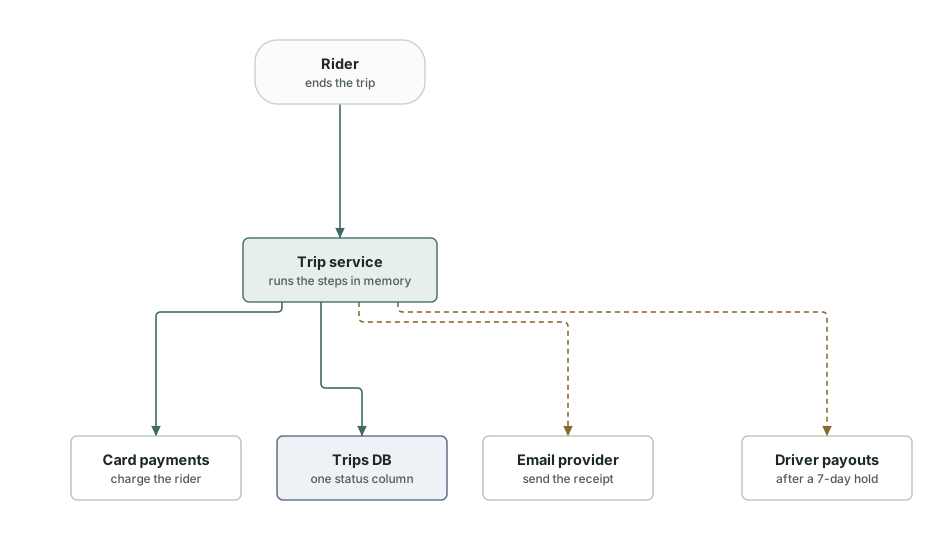
Write a long business process as ordinary code; an engine records every step so it resumes where it stopped.
 New6:59
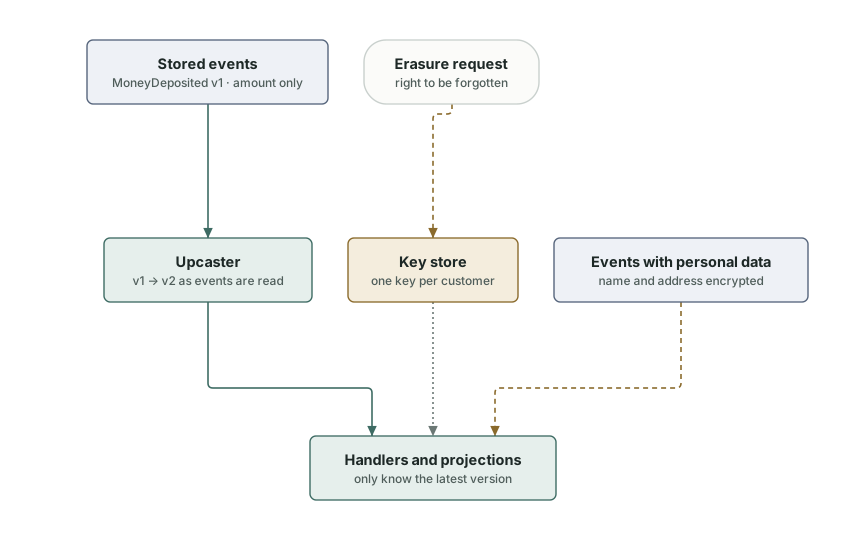
Store every change as an event; rebuild state by replaying them, and keep the full history.
 New7:01
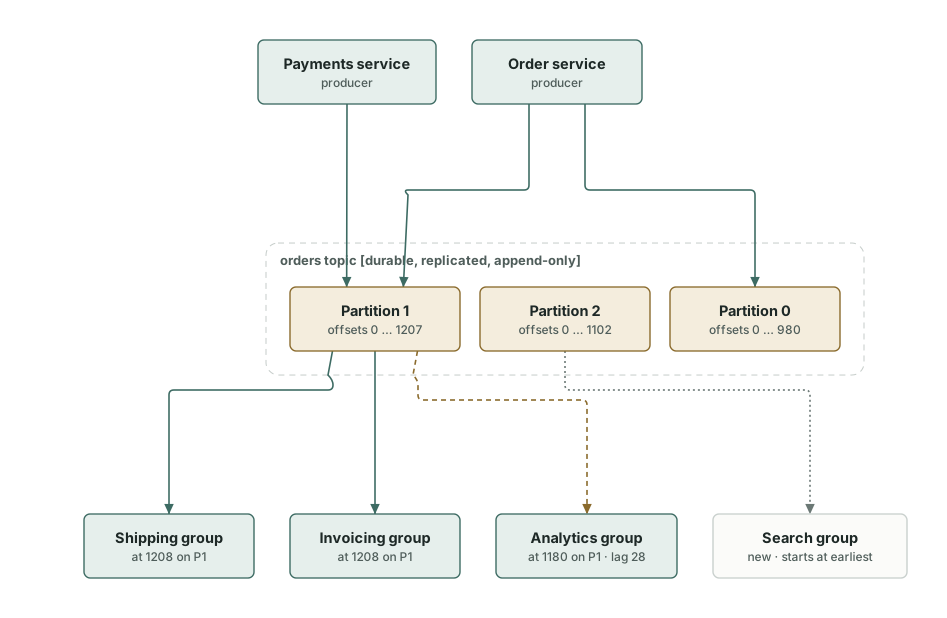
Producers append once to a durable, partitioned log; every consumer reads it at its own offset, and can replay.
 New6:44
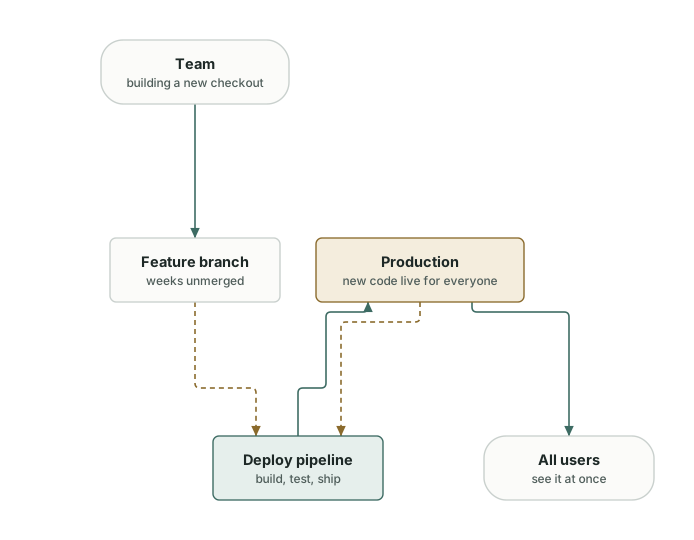
Ship code dark, switch features on at runtime for chosen users, and switch them off without a deploy.
 New6:31
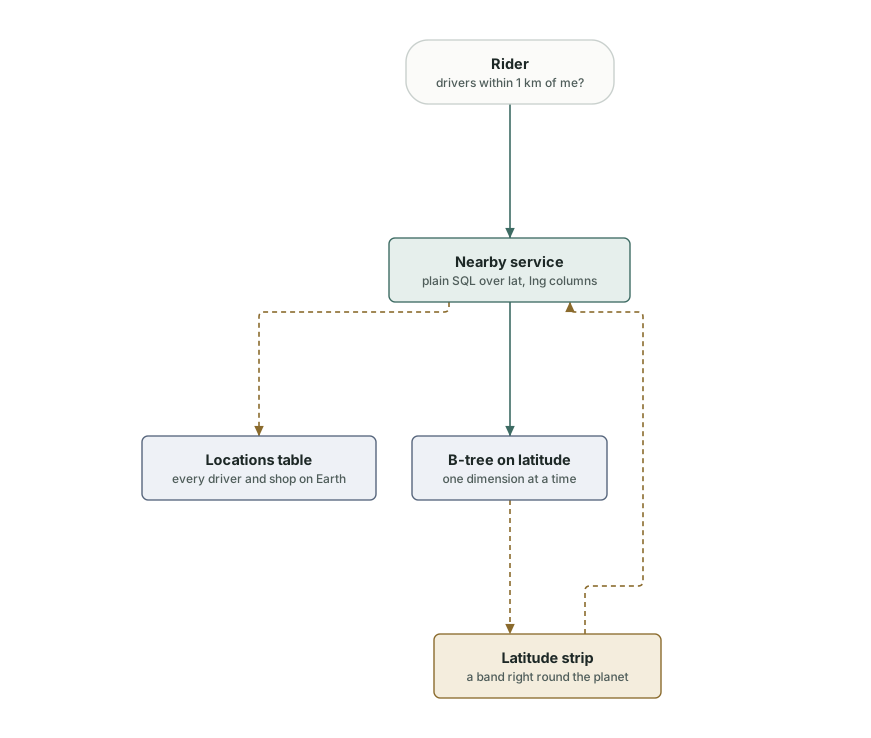
File locations by map cell so "what is near me" looks up a few cells instead of scanning the world.
 New6:16
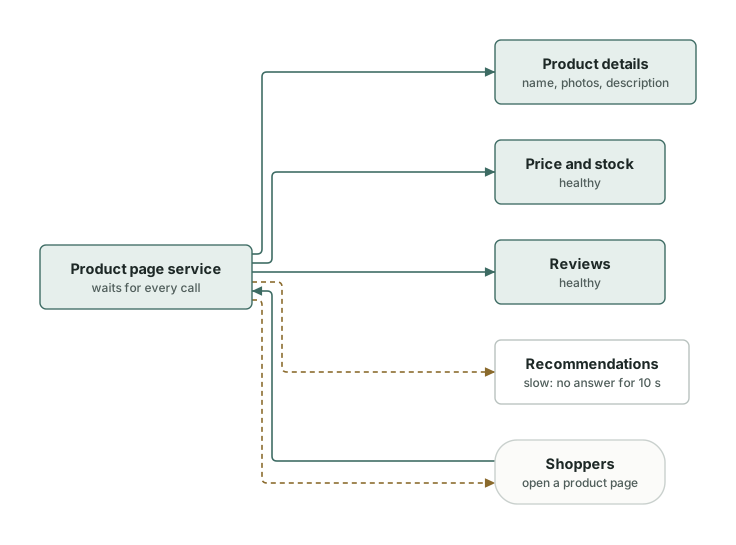
When an optional part fails, serve a reduced but working answer instead of an error.
 New6:42
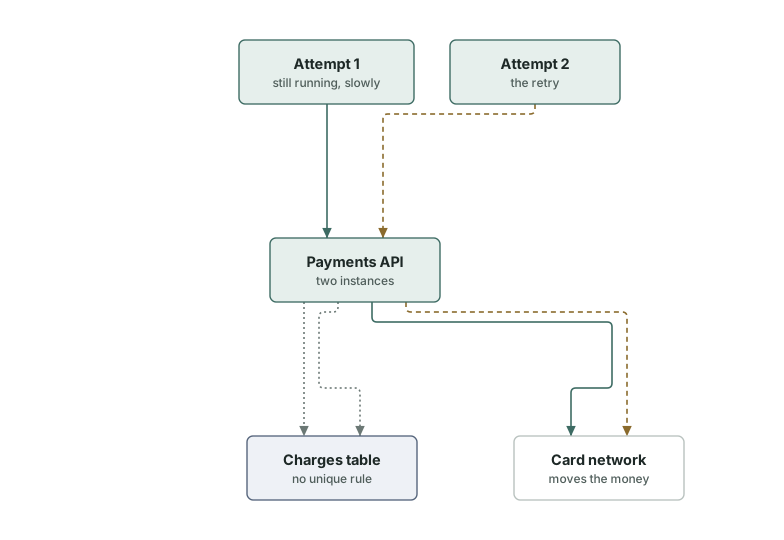
Make retries safe: the client labels each operation with a key and the server does it once, replaying the answer.
 New6:52
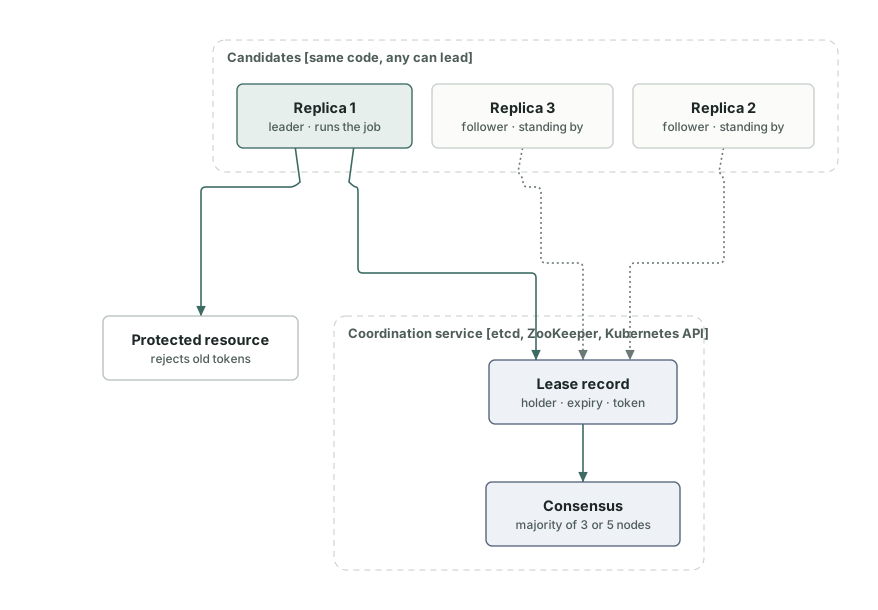
Let exactly one replica do the work: a renewable lease, a majority vote, and fencing tokens for the leader that comes back.
 New7:09
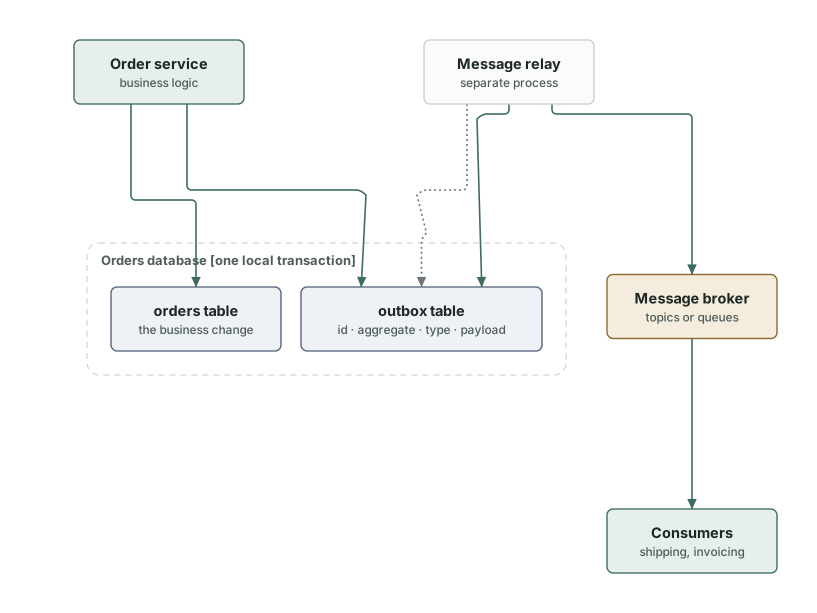
Commit the event with the change in one local transaction; a relay publishes it, at least once.
 New7:13
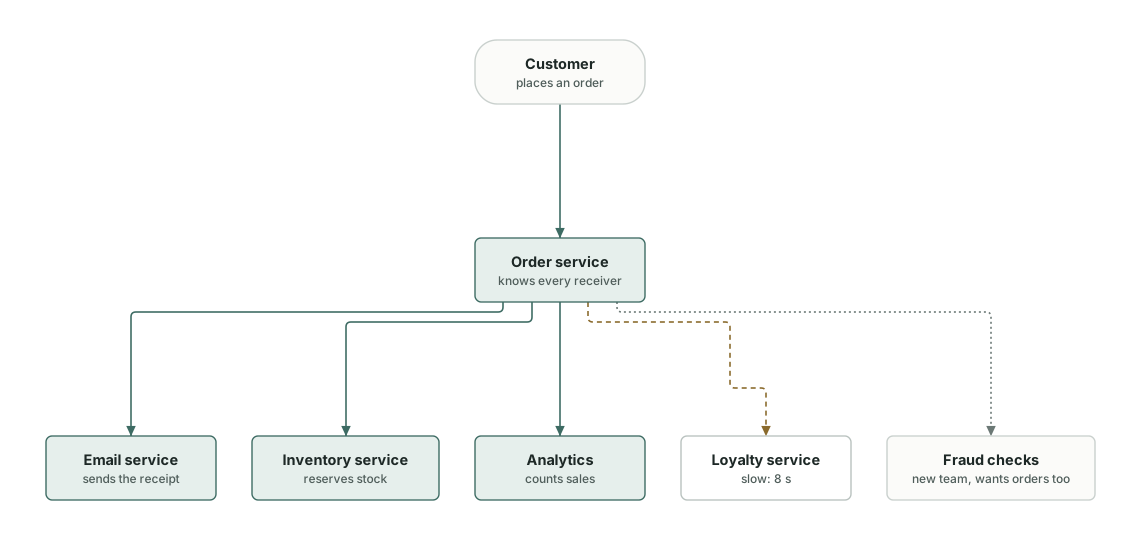
Publish once to a topic; the broker gives every subscriber its own copy, so new listeners never change the sender.
 New7:00
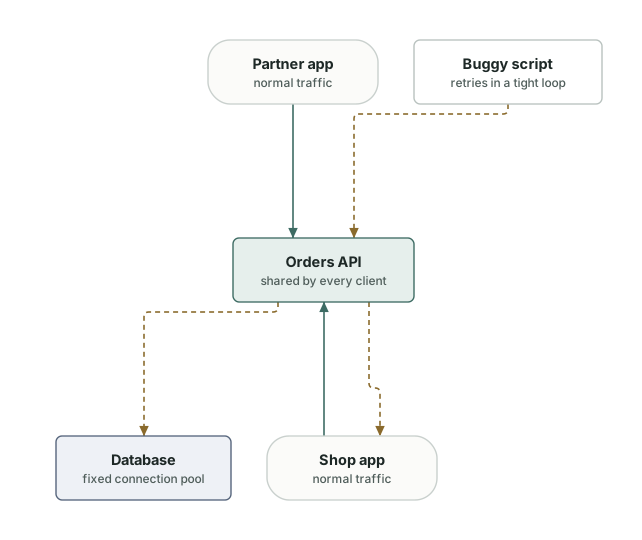
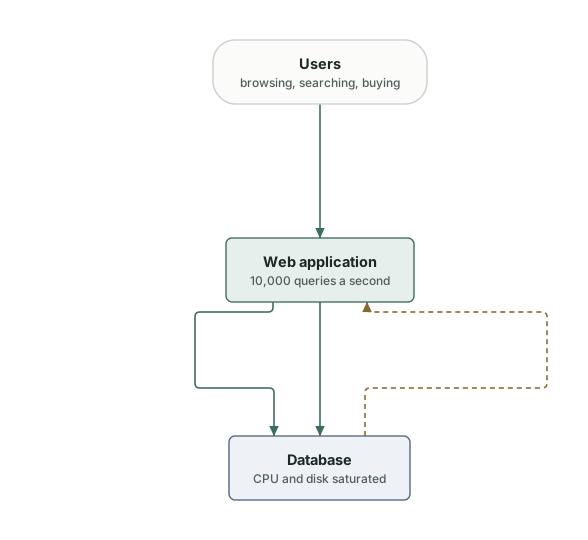
Give every caller its own budget, reject the excess early with 429, and keep one client from taking everyone's share.
 New7:20
Send writes to one primary, stream its log to read-only copies, and spread reads across them.
 New6:35
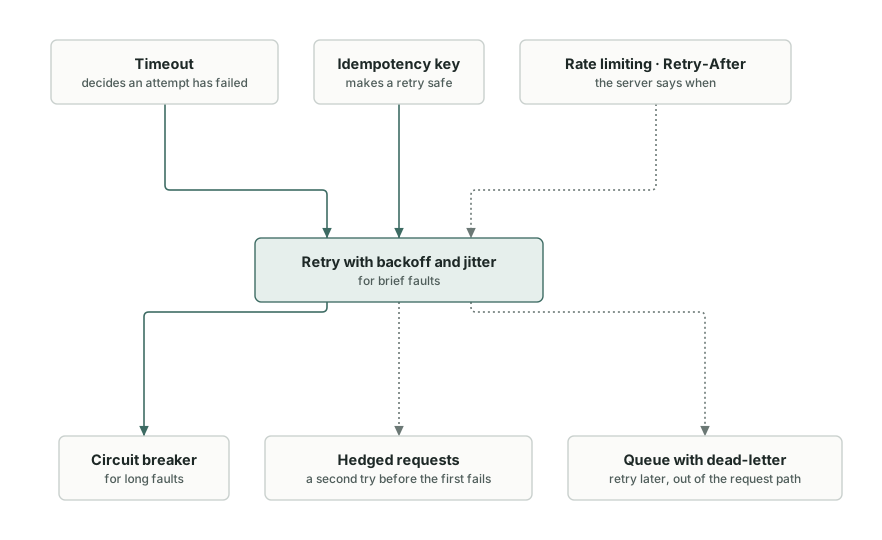
Retry brief faults, wait longer each time with randomness, and know when to stop.
 New7:37
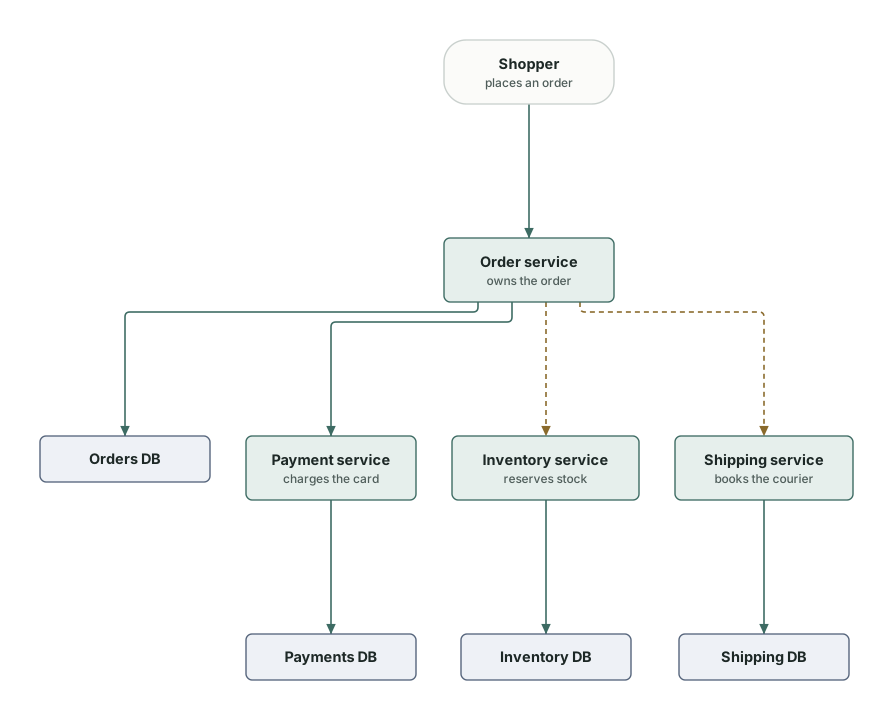
Keep data consistent across services with local transactions and compensating actions instead of one distributed transaction.
 New6:22
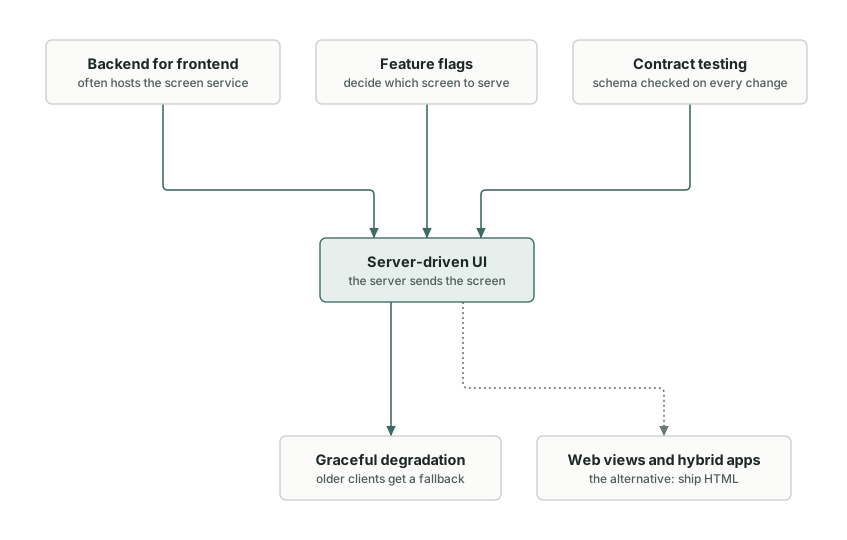
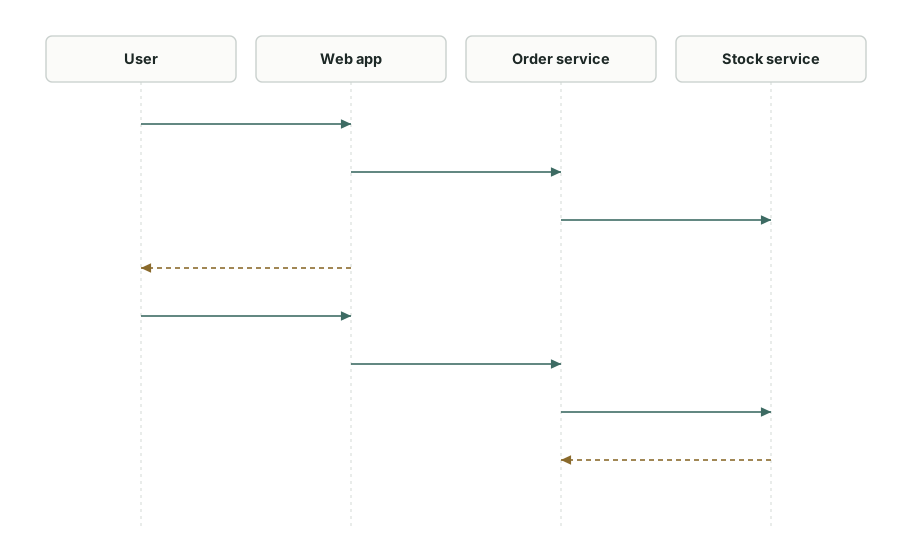
Ship screen layouts from the server, rendered with native components the app already has.
 New7:32
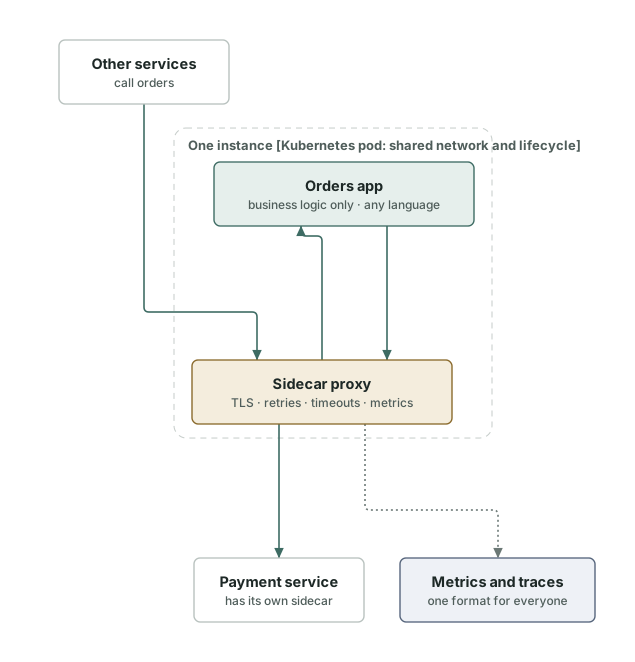
Move TLS, retries and telemetry out of every service into a proxy beside it, run centrally by one control plane.
 New7:00
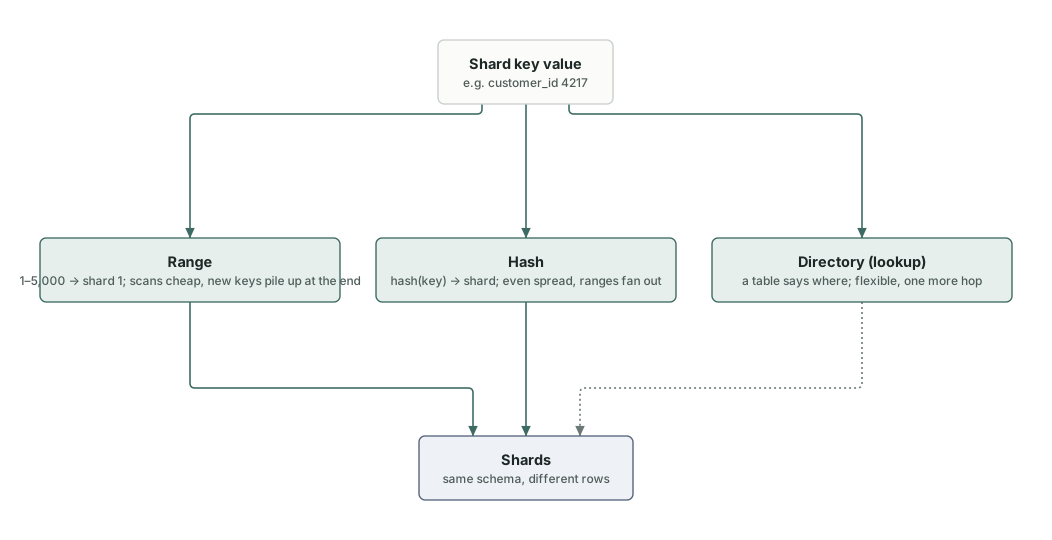
Split rows across databases by a shard key, so writes and storage can grow past one machine.
 New7:12
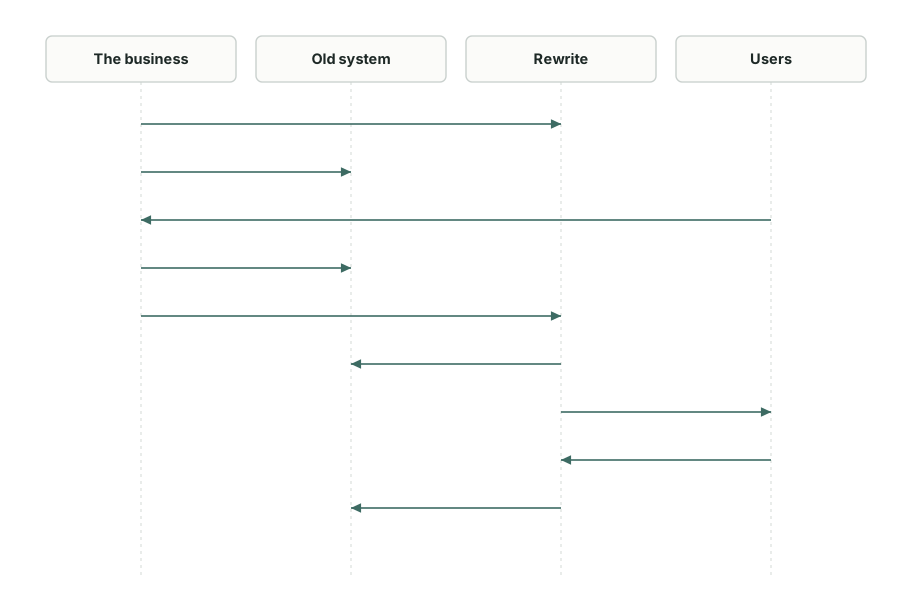
Replace a legacy system one slice at a time behind a routing facade, until the old one can be switched off.
 New6:33
Never wait forever: give every remote call a time limit, and pass one deadline down the chain.
 New6:38
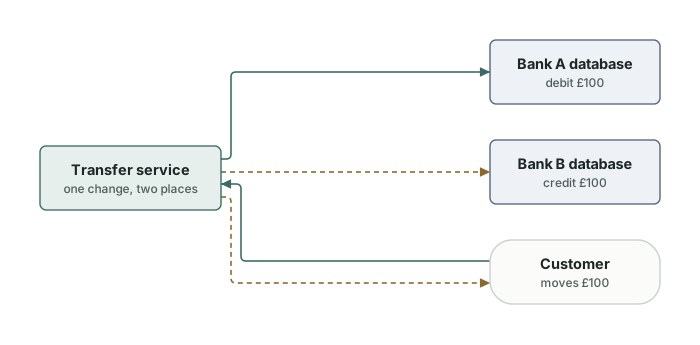
Make one change commit in several databases at once: prepare and vote, then all commit or all abort.
 New6:28
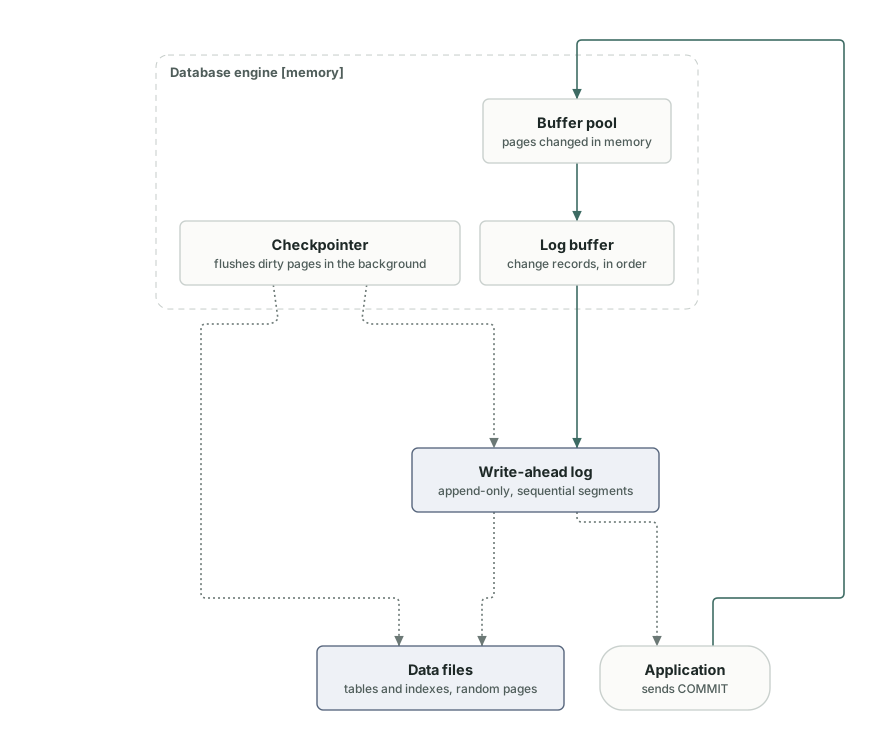
Append each change to a sequential log and flush it before commit; apply to data pages later and redo after a crash.